News

  • What color light should you use for your bathroom vanity light?
    Remember not to mix excessively warm and excessively cool light sources, otherwise, skin tone discrepancies and uneven lighting will occur. If one bathroom vanity lamp is too yellow and another is too white, it will cause uneven skin tones reflected in the mirror.
    More
  • What Waterproof Rating Should a Bathroom Vanity Light Be?
    Referring to the International Electrotechnical Commission (IEC) standards for bathroom zone classification: Most home vanities are located in Zone 2 or the dry zone. An IP44-rated bathroom vanity light is both economical and safe, fully meeting daily usage needs.
    More
  • What Are the Rules of Thumb for Bathroom Vanity Lighting?
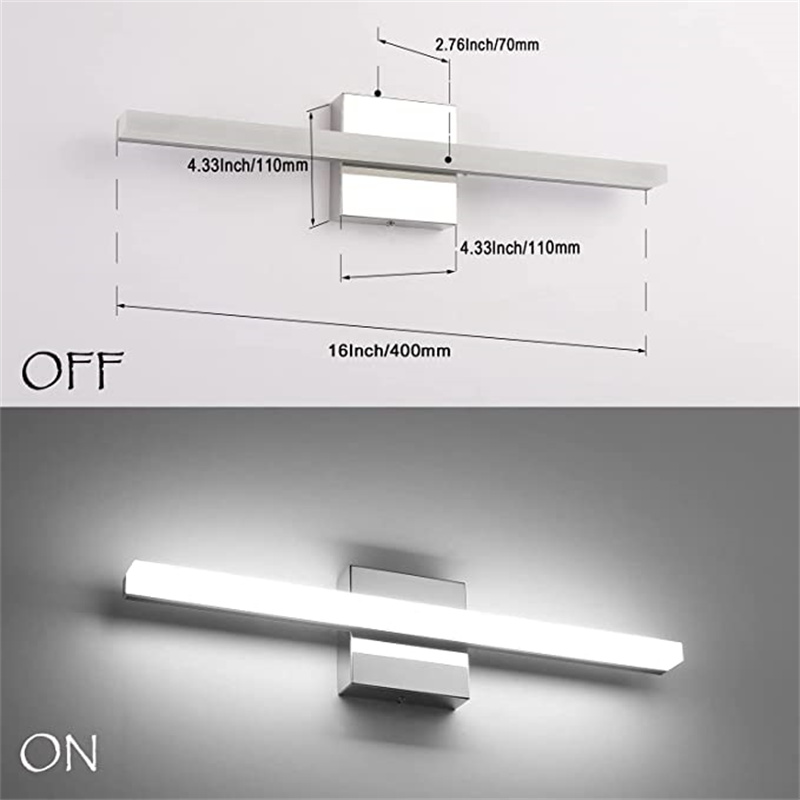
    A basic and widely used rule of thumb is: Choose a light fixture that is approximately 75% the width of your vanity and install it directly above the mirror, about 75 to 85 inches above the mirror. In other words, assuming your vanity is 48 inches wide, the ideal bathroom vanity light should be around 36 inches wide.
    More
  • LED Vanity Light Fixtures: What is the Color Rendering Index (CRI)?
    The color rendering index (CRI) is an optical indicator proposed by the International Commission on Illumination (CIE) to measure the accuracy with which a light source reproduces the colors of objects. It is expressed as a percentage; the higher the value, the more accurate the color reproduction of the light source.
    More
  • LED Vanity Light Fixtures: What Parameters Matter for Eye Protection?
    Key Eye-Friendly Parameters for LED Vanity Light Fixtures: 1. Luminous Flux (Brightness) 2. Color Temperature (Cool or Warm) 3. Color Rendering Index (CRI or Ra value) 4. Blue Light Hazard and Wavelength Control 5. Flicker-Free Design 6. Beam Uniformity and Anti-Glare Design 7. Power and Energy Efficiency 8. Adjustable Light Modes and Memory Function 9. Light Decay and Lifespan
    More
  • How Many Lights Should Be Installed on a Bathroom Vanity?
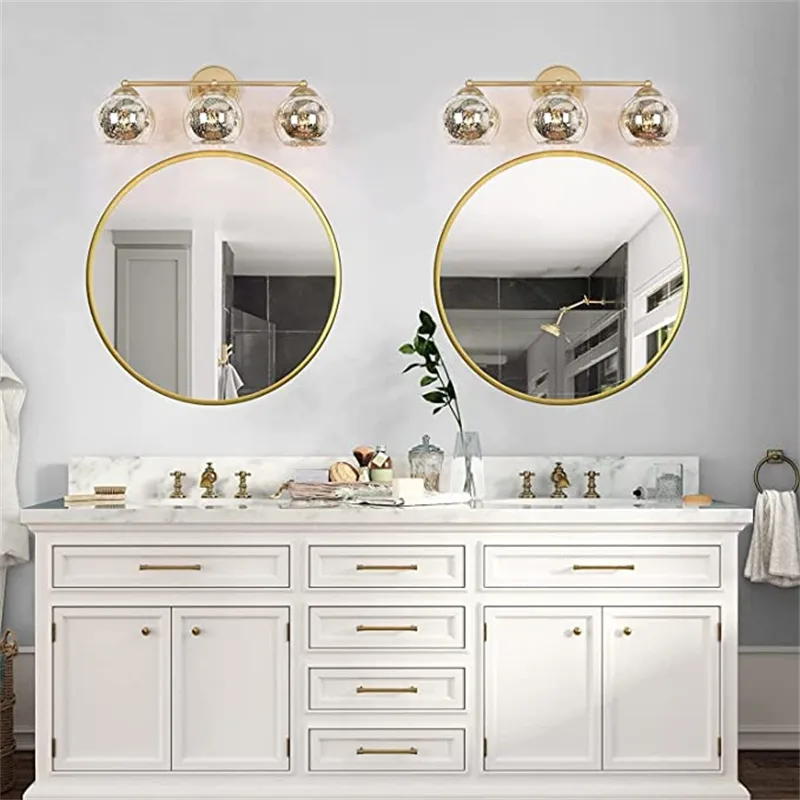
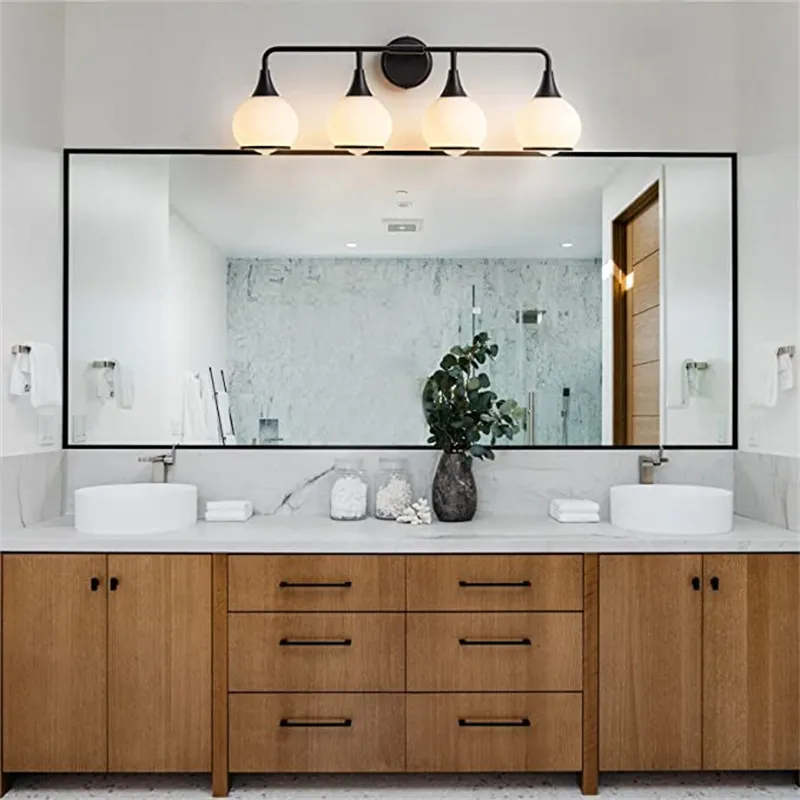
    • For mirrors less than 60cm wide, one symmetrical bathroom vanity light fixture can be installed. • For mirrors between 60cm and 120cm wide, two symmetrically arranged vanity lamps are recommended. • For mirrors exceeding 120cm or for vanities used by two people, consider three or more light fixtures or an integrated front light strip design.
    More
  • Can bathroom vanity light fixtures be hung above a mirror?
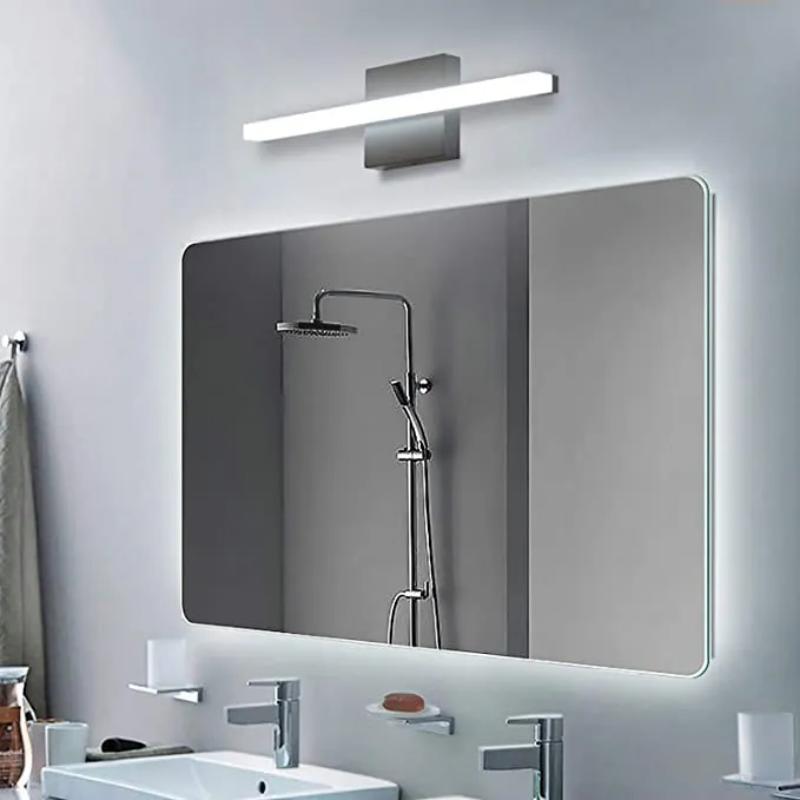
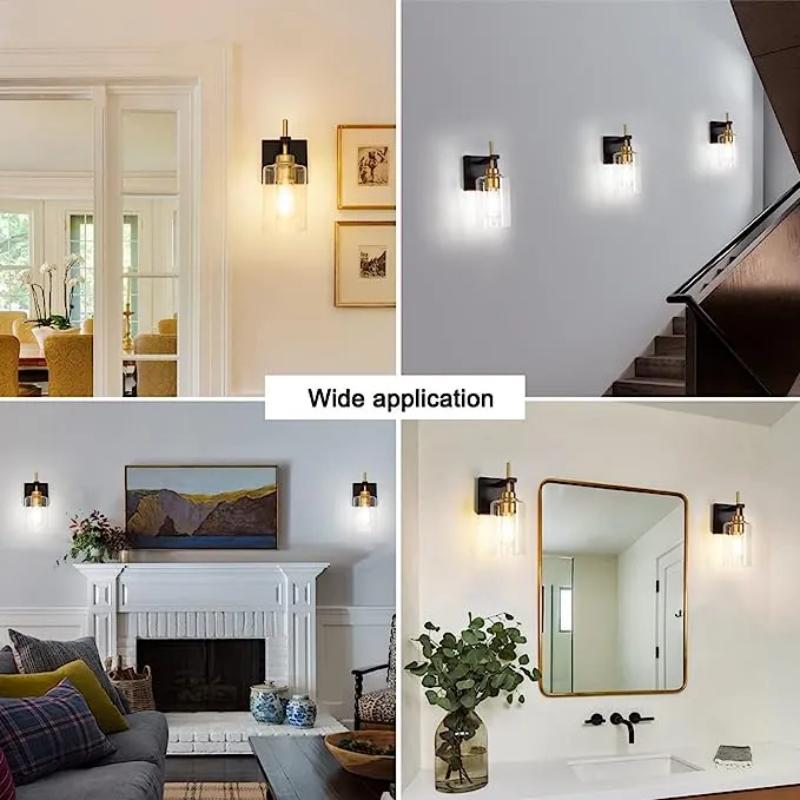
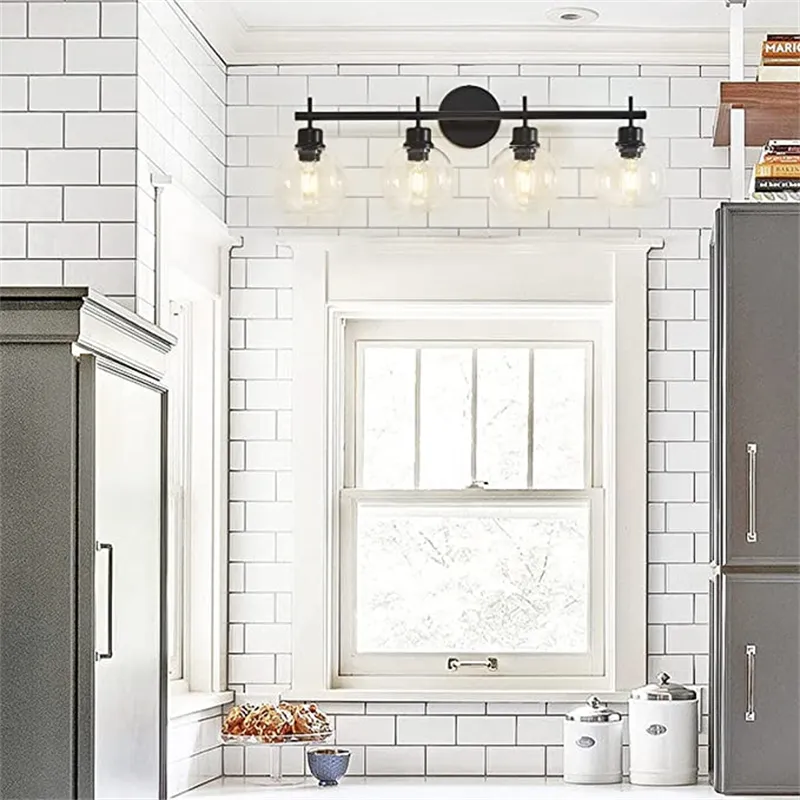
    Yes, but certain installation principles and conditions must be met. From a lighting design perspective, installing bathroom vanity light fixtures above a mirror is a common and widely accepted lighting method. It can directly illuminate the entire face, avoiding shadows concentrated on the chin or eyes
    More
  • Are bathroom vanity light fixtures suitable for extended use?
    Because bathrooms are humid environments, electrical safety is paramount for prolonged use. Choose bathroom vanity light fixtures from reputable manufacturers and with an IP44 rating or higher. They are safe for extended use.
    More
  • Is LED or traditional bulbs better for vanity lighting?
    LED vanity light fixtures typically feature a frosted cover or light diffuser design, providing a soft and even coverage of the face, avoiding glare and partial shadows. Traditional bulbs, on the other hand, produce concentrated light with noticeable spotlights.
    More
  • Should I install lighting above the bathroom vanity?
    Installing lighting above the vanity is not only a functional consideration; it also contributes to the overall comfort of the bathroom space. Effective lighting can reduce shadows and uneven lighting, creating a bright, soft glow around the mirrored area and preventing visual fatigue caused by unpleasant lighting.
    More

    Get the latest price? We will reply as soon as possible (within 12 hours)

    top