News

  • What is LED lighting downlight?
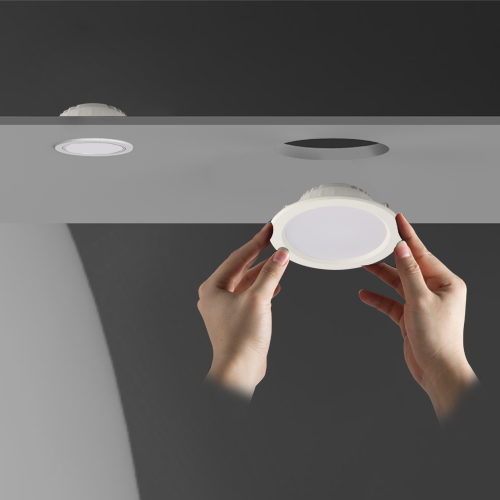
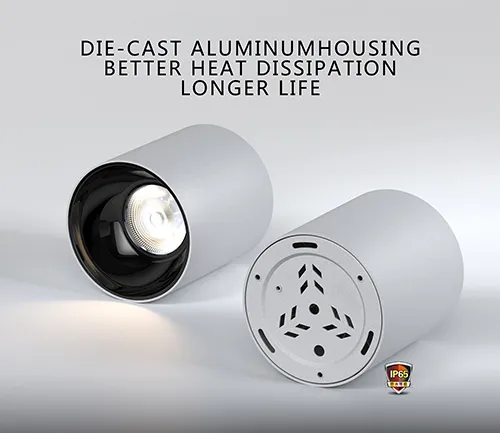
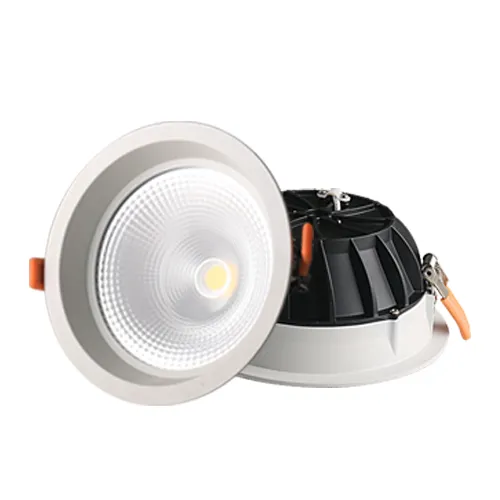
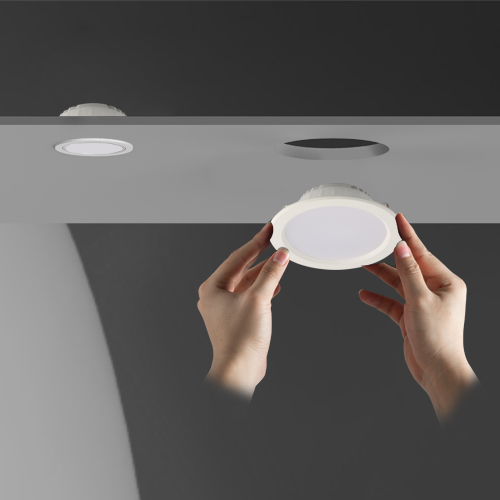
    LED lighting downlight refers to a cylindrical embedded lamp that uses LED light source as lighting. It is generally installed on the ceiling or other blank positions where light source is required, and the light is irradiated downward through the outer shell of the lamp.
    More
  • Which LED downlight can be used in the bathroom?
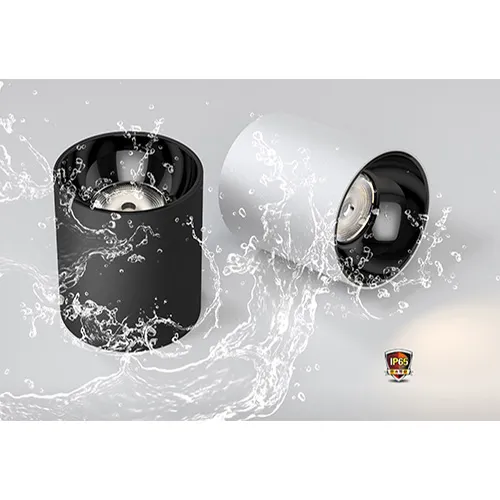
    ·IP44 protection level: Applicable to dry areas of the bathroom, such as areas near the washbasin and mirror that are not directly exposed to water. ·IP65 protection level: Applicable to wet areas of the bathroom, such as shower rooms, above bathtubs, and other areas that may be directly exposed to water flow or water vapor. ·IP67 or higher protection level: Applicable to extremely humid environments, such as outdoor bathrooms or places that need to be completely immersed in water.
    More
  • LED downlight vs. spot light vs. track light: How to distinguish them?
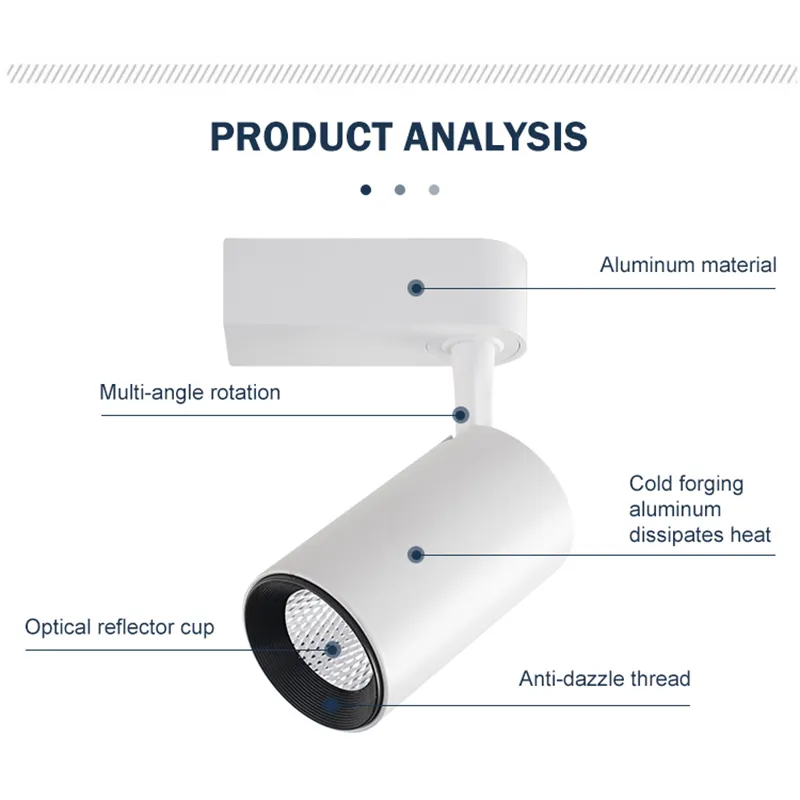
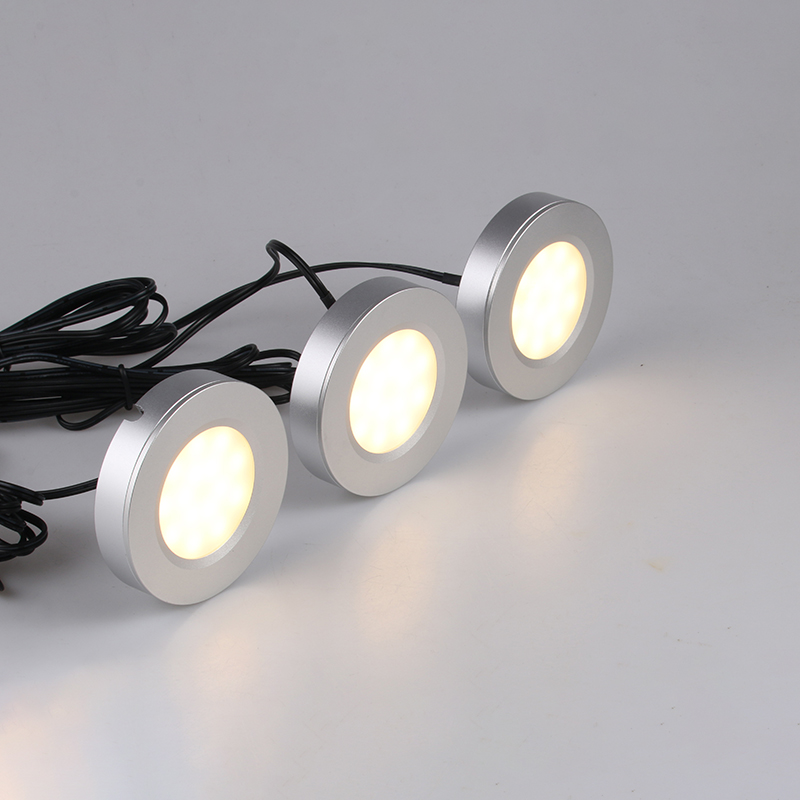
    ● LED downlight: Usually embedded in the ceiling, the lamp is not exposed after installation. ● spot light: usually installed independently, the light beam can be directed by adjusting the angle of the lamp. ● track light: installed on a long track, the lamp head can slide freely and adjust the direction.
    More
  • What is the difference between LED panel light and LED downlight?
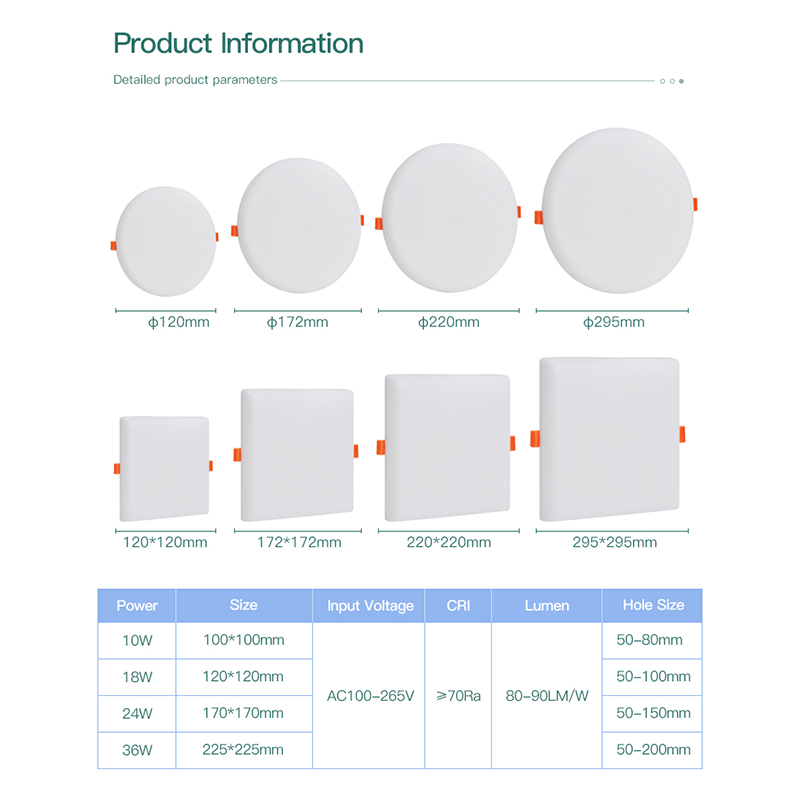
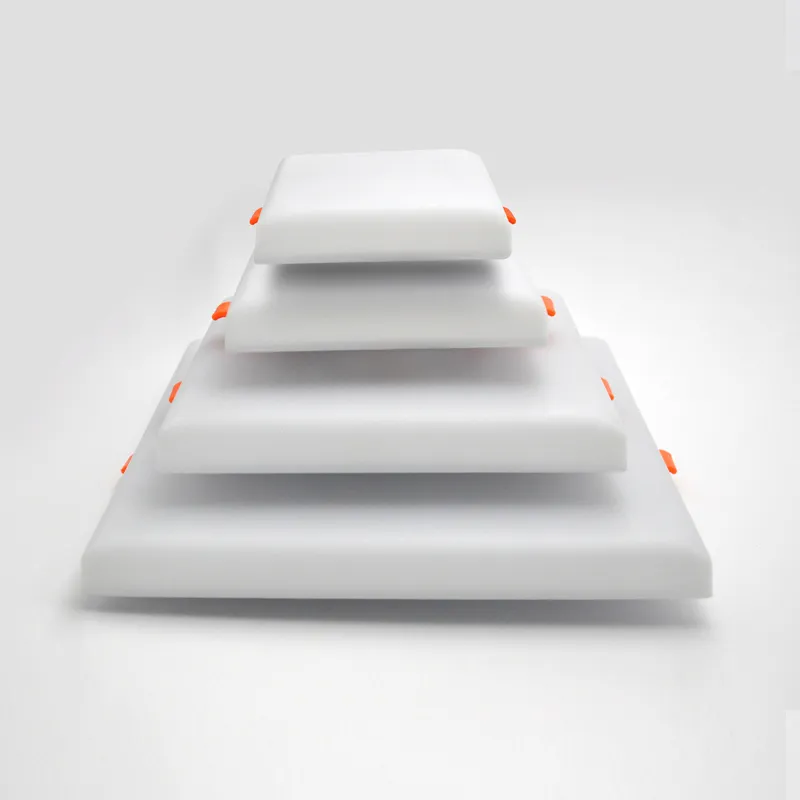
    The power of LED panel light is generally between 10W and 60W, which is suitable for large-area space lighting. The power of LED downlight is usually smaller, mostly 5W to 30W, and is used for local or accent lighting.
    More
  • LED downlights: What is the difference between surface-mounted and embedded?
    Surface-mounted LED downlights usually refer to the lamp itself being exposed and installed on the surface of the ceiling or wall. Unlike surface-mounted LED downlights, recessed LED downlights are designed to embed the lamp as a whole into the ceiling or wall, with only the light-emitting surface of the lamp exposed and the outer shell partially hidden inside the ceiling or wall.
    More
  • Why are LED lights not as bright anymore?
    If the heat dissipation design of LED lamps is poor, the high temperature of LED chips will accelerate their aging. High temperature will cause electron migration inside the chip, which will reduce its luminous efficiency and eventually lead to brightness decay.
    More
  • How do I know which LED light is brighter? Lumens vs. Watts, which is more important?
    When choosing LED lighting fixtures, consumers should focus on lumens rather than watts. Lumens more directly reflect the brightness of the lamp, while watts are mainly used to reflect the energy consumption of the lamp. Understanding the difference between the two can help consumers make more appropriate purchasing decisions.
    More
  • The higher the voltage or current, the brighter the LED lighting?
    According to the principles of physics, the greater the current, the more times the electrons and holes in the LED recombine, and the more light energy is generated, so the LED will appear brighter. For standard LED bulbs or LED panel lights, the relationship between brightness and current is usually linear - that is, the current increases, the brightness increases.
    More
  • Do motion sensor night lights attract bugs?
    If the lamp uses LED lamps with strong ultraviolet emission, or white and blue LED lamps, it may attract more insects, especially at night or in summer. On the contrary, if the lamp uses red light or warm white light, such lamps will be less attractive and the probability of insects gathering is relatively low.
    More
  • Do LED downlights in the bathroom need to be grounded?
    For LED downlights installed in the bathroom, although many LED lamp designs use electrical insulation protection, grounding is still very important because the bathroom is a humid environment. For LED downlights without insulation design, grounding is a necessary measure to ensure their safe use.
    More

Get the latest price? We will reply as soon as possible (within 12 hours)

top