News

  • Why won't my indoor motion sensor night light turn off?
    Reasons why the indoor motion sensor night light cannot be turned off: 1. The sensor fails to correctly detect the cessation of motion 2. The sensor sensitivity is set too high 3. Continuous environmental changes
    More
  • Where is the best place to place a motion sensor night light?
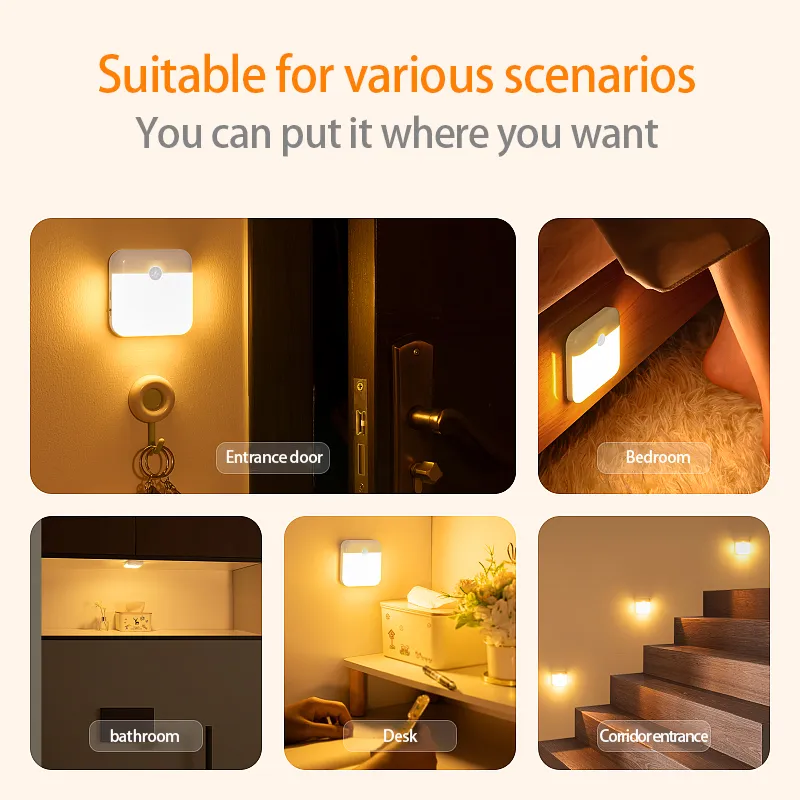
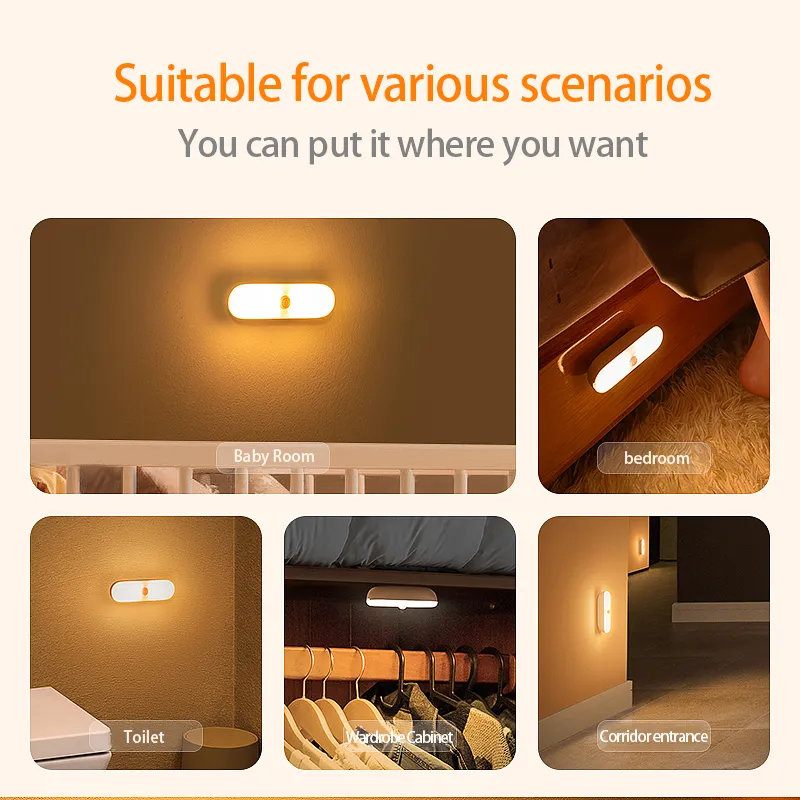
    Corridors and aisles are one of the most commonly used areas in homes and offices, especially when used at night, which is often inconvenient due to insufficient light. At this time, placing a motion sensor night light can automatically light up when someone passes by, bringing good lighting effects.
    More
  • How do I tell if the LED Motion Sensor Night Light is working?
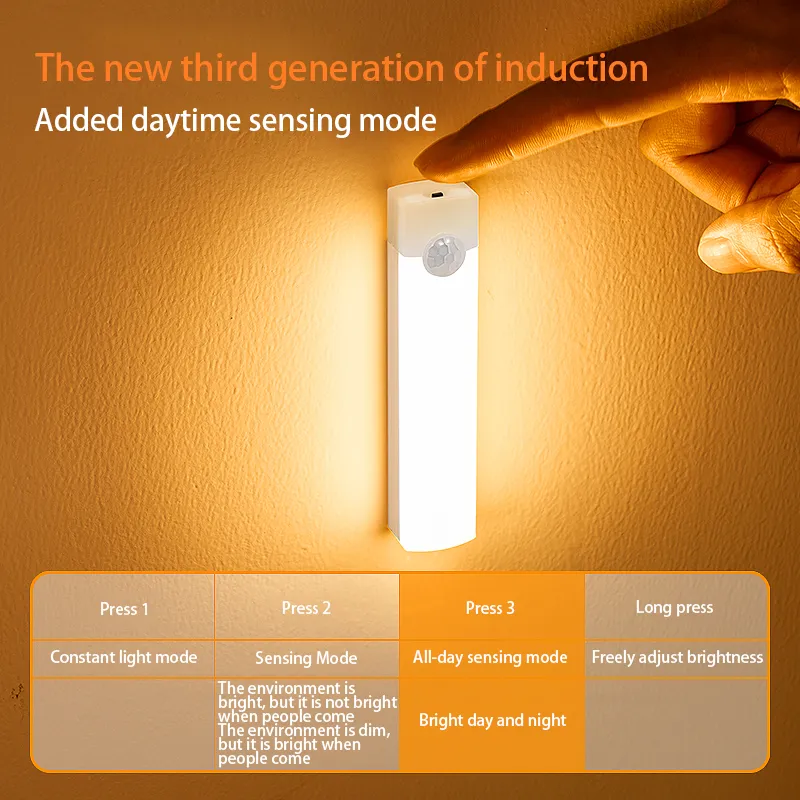
    ✅ Check the indicator light status to see if there is any response ✅ Perform manual motion detection to observe whether the light responds to the movement ✅ Check the power supply status, replace the battery or check whether the USB power supply is normal ✅ Ensure that the ambient light is appropriate to avoid the light sensor misjudgment causing the light to not turn on ✅ Check the night light mode setting to ensure that it is in "Auto mode"
    More
  • Why doesn't my LED motion sensor night light turn off?
    ● There are still objects moving within the sensing range: adjust the installation position to avoid detecting unnecessary movement. ● Misjudgment of environmental factors: avoid installing near heat sources or electromagnetic interference areas. ● Delay time is too long: check the manual and set the time reasonably. ● Sensor or circuit failure: try to restart the device, replace the sensor if necessary or contact after-sales. ● Light sensing mode error: adjust the light sensing mode or turn off the light sensing function.
    More
  • Why does my LED Motion Sensor Night Light go out so quickly?
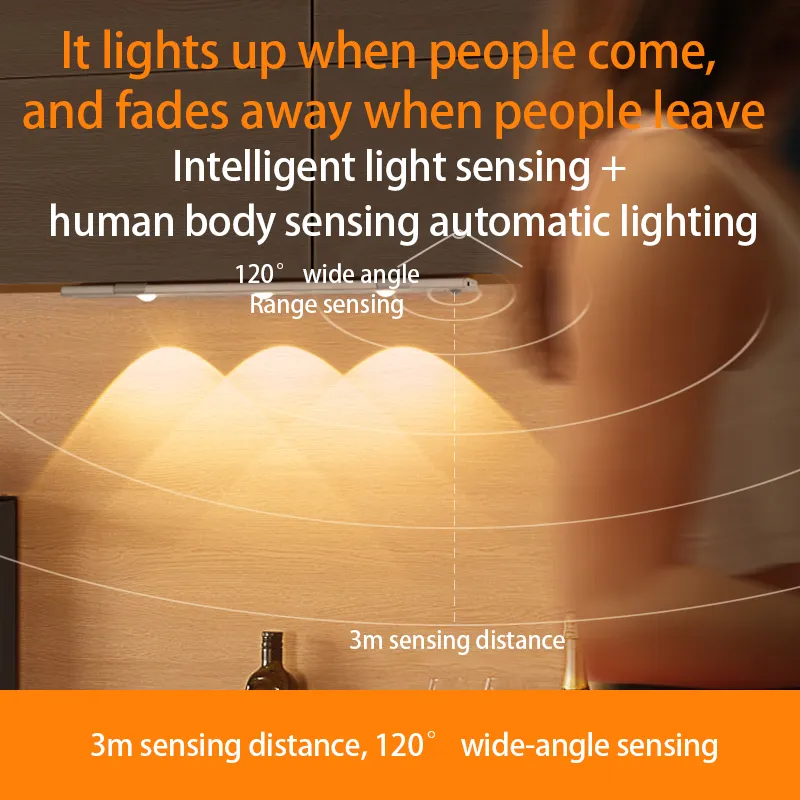
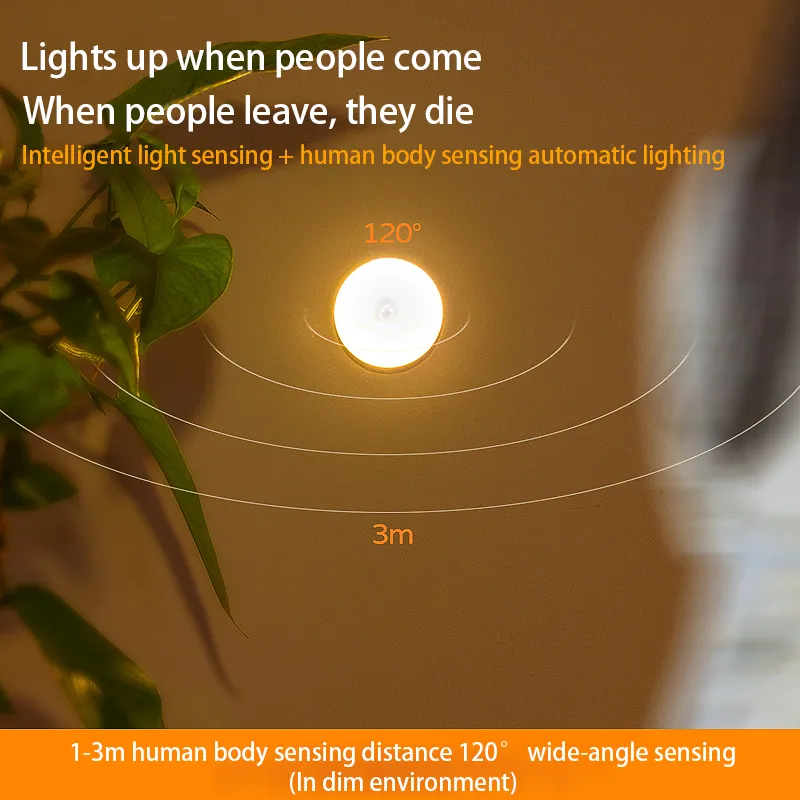
    LED Motion Sensor Night Light usually has a specific sensing range (usually 2-5 meters) and sensing angle (usually 120° or 180°). If the user moves outside the sensing range, the sensor may not detect human motion, causing the light to turn off prematurely.
    More
  • Where is it not suitable to place LED Motion Sensor Night Light?
    Places not suitable for installing LED Motion Sensor Night Light ● Areas exposed to direct sunlight (such as windows and balconies) ● Humid or splash-prone places (such as bathrooms and near kitchen sinks) ● Metal surfaces or large areas of metal (such as refrigerators and metal cabinets) ● Overheated environments (such as radiators, stoves, and air-conditioning outlets) ● Too narrow or enclosed spaces (such as drawers and inside cabinets) ● Areas with strong light interference (such as near TVs and computer screens)
    More
  • How to reduce the sensitivity of the LED motion sensor night light?
    ✅ Adjust the sensing range: If the night light supports adjustment, reduce the sensing distance and angle. ✅ Optimize the installation location: Keep away from interference factors such as heat sources, air vents, windows, etc. ✅ Physical shielding: Use stickers or light shielding sheets to reduce the sensor's sensing range. ✅ Switch to low sensitivity mode: If the night light supports this function, the probability of false triggering can be reduced.
    More
  • Can you turn off LED Night Light motion detection?
    ● Physical method: cover the sensor, adjust the installation position, or disconnect the sensor circuit. ● Electronic method: use manual mode, adjust the sensitivity, or turn off the motion detection function in the smart APP.
    More
  • Can you put tape on the led motion sensor night light?
    ✅ Yes, but you need to choose the right tape, ensure sufficient adhesion, and avoid covering the sensor and heat dissipation parts. ❌ It is not recommended to use ordinary tape or cover key components, otherwise it may affect the sensing function, heat dissipation effect, and even shorten the life of the lamp.
    More
  • How to make a led motion sensor night light?
    The production steps are summarized as follows: ● Design the circuit schematic to ensure that all components are connected correctly. ● Build the circuit and test it, and use a breadboard for preliminary testing. ● Install LED lights and sensors to ensure the best sensing range. ● Make the shell to improve the aesthetics and durability. ● Debug and optimize, adjust the sensitivity, add photosensors, and improve energy saving.
    More

Get the latest price? We will reply as soon as possible (within 12 hours)

top