News

  • What Can Interfere with Motion Sensor Night Lights?
    Factors that can interfere with motion sensor night lights: 1. Temperature fluctuations and heat sources 2. Air flow and swaying curtains 3. Electromagnetic interference 4. Light fluctuations 5. Sensitivity setting issues 6. Humidity and moisture 7. Animal interference
    More
  • At what age does a baby need a night light?
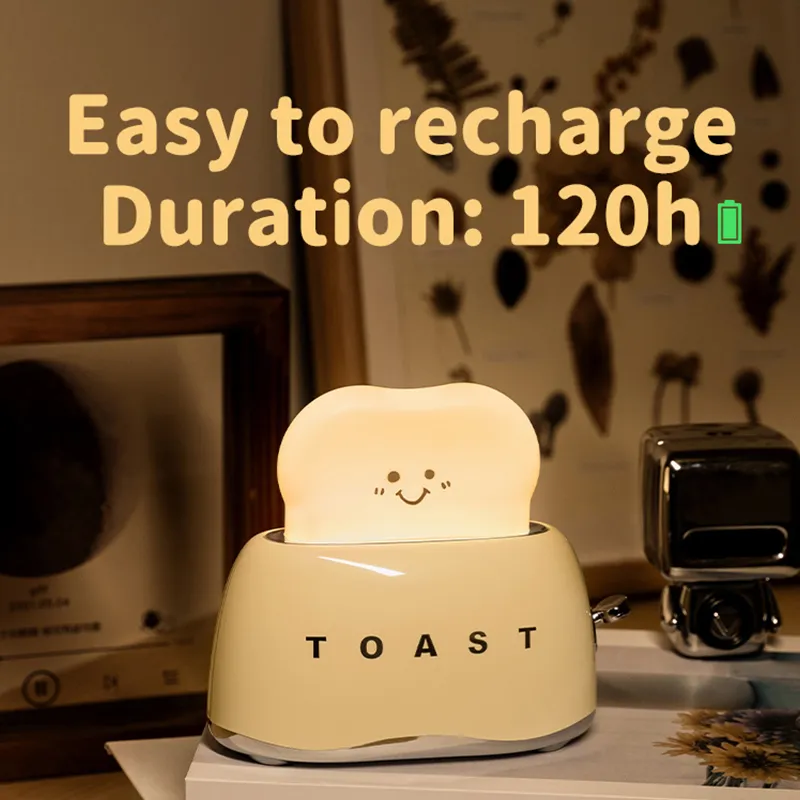
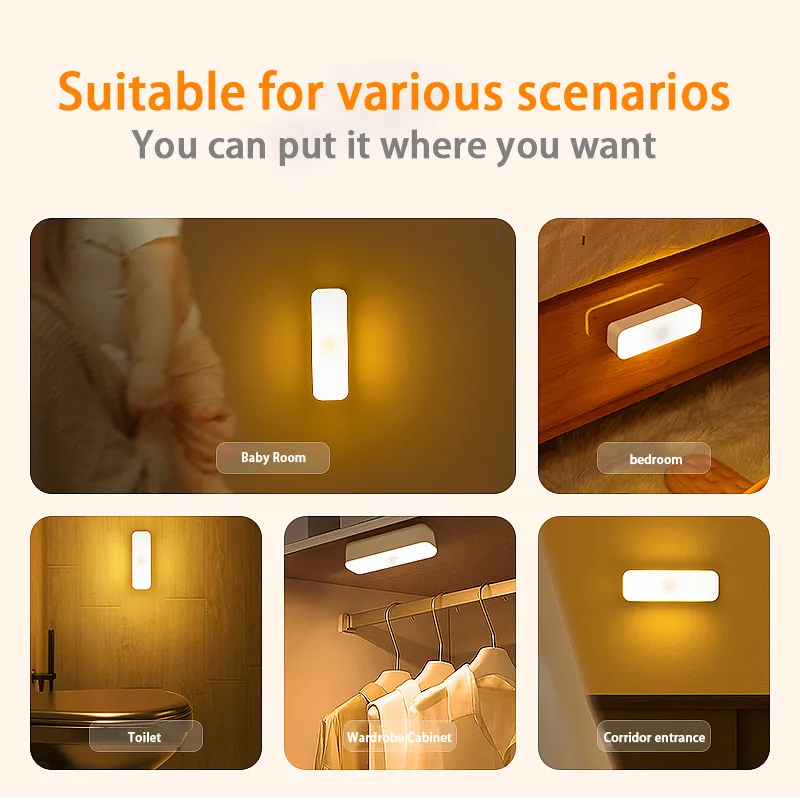
    • 3-6 months: The need for a nursery night lamp gradually emerges, and it can be used appropriately. • 6 months to 1 year: The nursery night lamp's soothing effect is significant and its value is greatest. • After one year old: A nightlight becomes an important aid for psychological comfort and sleep development.
    More
  • How bright should a nursery night light be?
    • Standard household lighting: Living rooms or study rooms typically have 200-500 lux. • Nightlighting in a baby's bedroom: 5-20 lux is recommended. This brightness range satisfies parents' basic care needs without overstimulating the baby. In other words, the brightness of a nursery night light should approach the soft effect of moonlight.
    More
  • Are bathroom vanity light fixtures suitable for extended use?
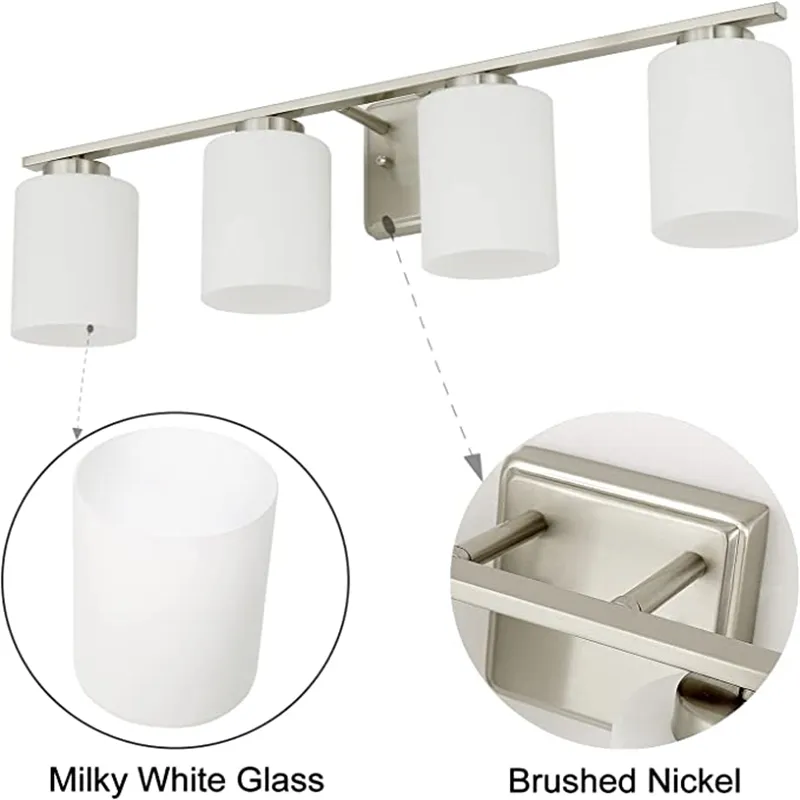
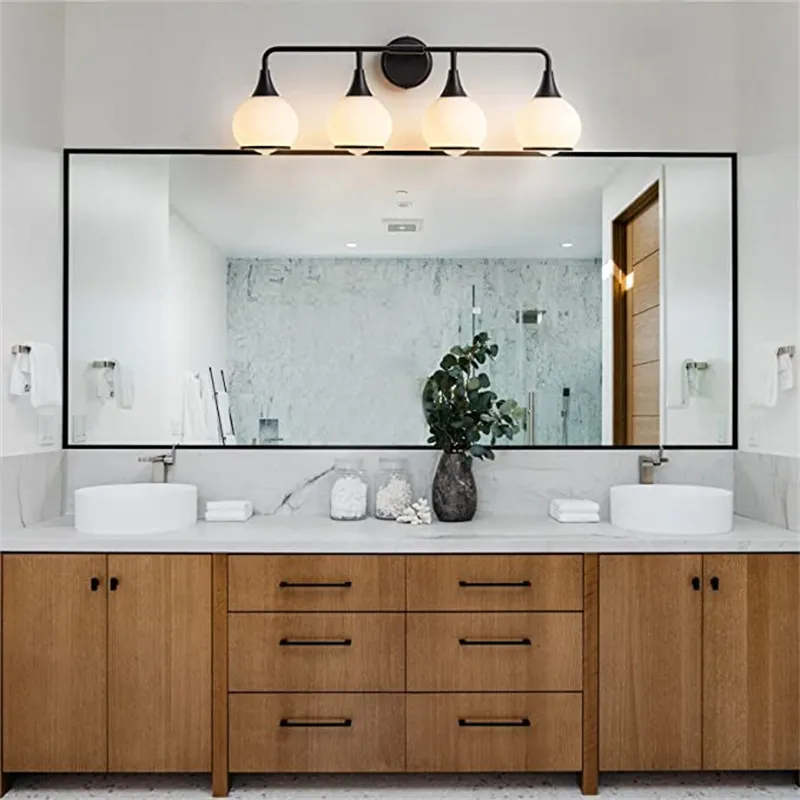
    Because bathrooms are humid environments, electrical safety is paramount for prolonged use. Choose bathroom vanity light fixtures from reputable manufacturers and with an IP44 rating or higher. They are safe for extended use.
    More
  • Is LED or traditional bulbs better for vanity lighting?
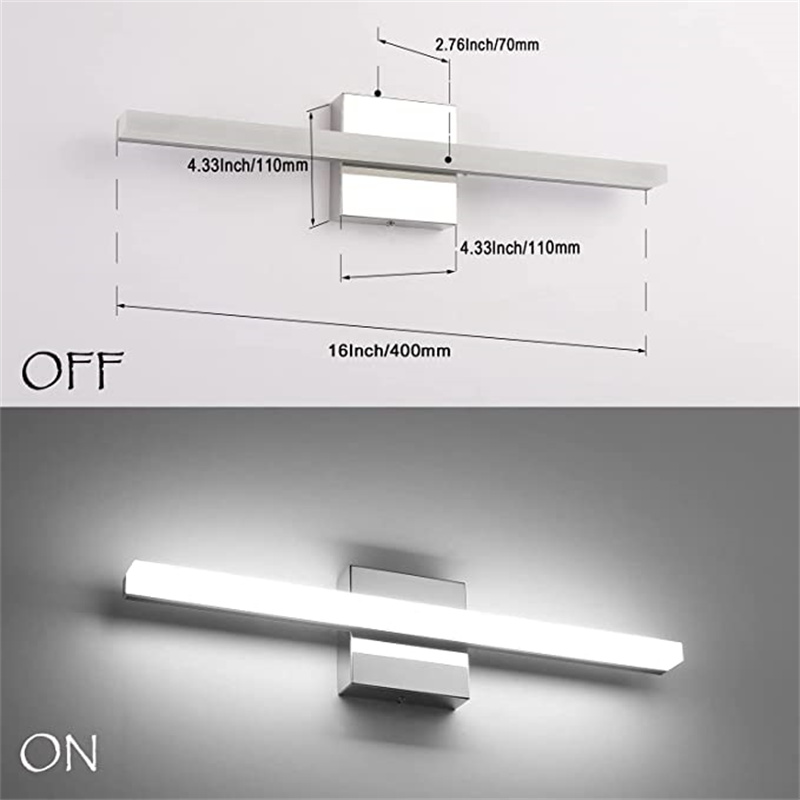
    LED vanity light fixtures typically feature a frosted cover or light diffuser design, providing a soft and even coverage of the face, avoiding glare and partial shadows. Traditional bulbs, on the other hand, produce concentrated light with noticeable spotlights.
    More
  • At what age is it too old for children to sleep with an LED night light?
    Preschoolers aged 3–6: A low-brightness, warm-light LED night light can help with sleep, but it's best to set it to automatically turn off. School-age children aged 6 and older: Most children no longer need a night light on all night and should gradually adjust to natural darkness.
    More
  • Can I cover a motion sensor night light with tape?
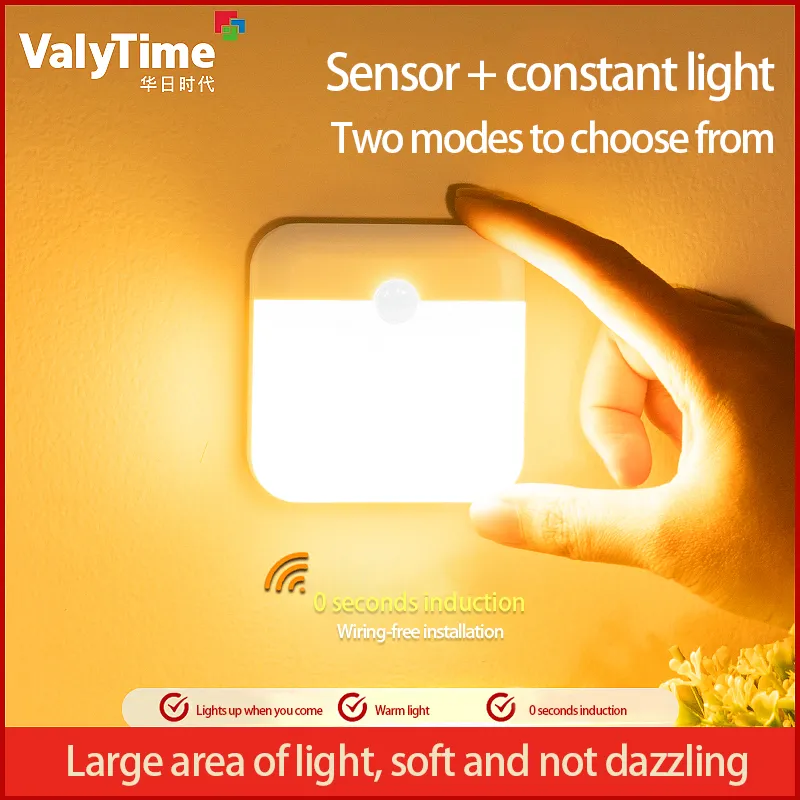
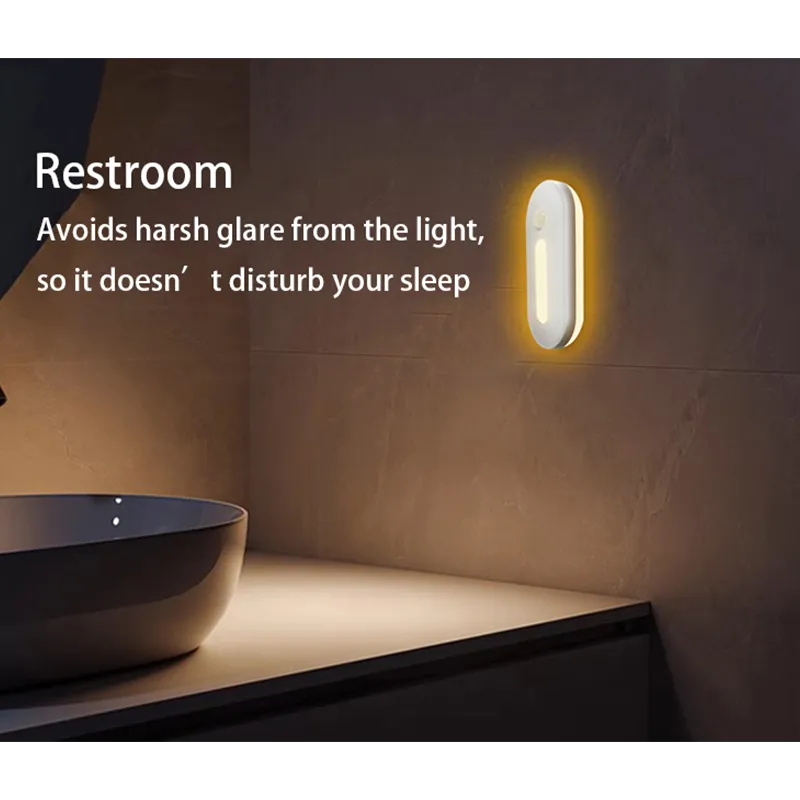
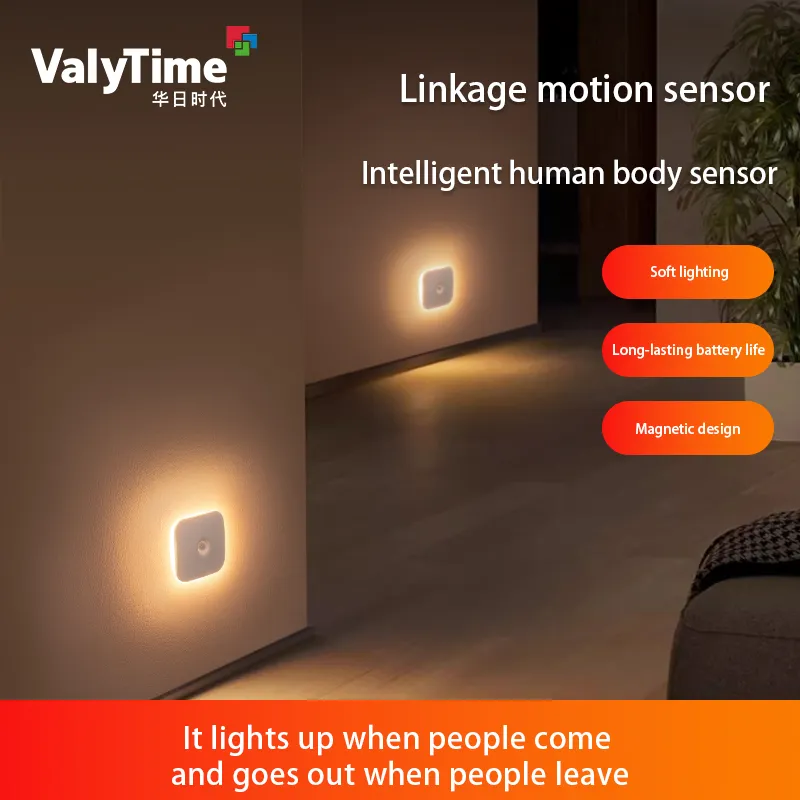
    The core functionality of a motion sensor night light relies on its sensor to detect changes in the surrounding environment. When users cover the sensor with tape, they are effectively limiting its sensing range, preventing it from detecting motion signals.
    More
  • Should I install lighting above the bathroom vanity?
    Installing lighting above the vanity is not only a functional consideration; it also contributes to the overall comfort of the bathroom space. Effective lighting can reduce shadows and uneven lighting, creating a bright, soft glow around the mirrored area and preventing visual fatigue caused by unpleasant lighting.
    More
  • Can cats trigger an automatic nightlight?
    A cat's body temperature is similar to that of a human, and their movements generate certain heat fluctuations. Infrared sensors rely on heat fluctuations to activate the light, so in theory, cat activity could activate these sensors.
    More
  • Why does my motion sensor night light come on for no apparent reason?
    Many motion sensor night lights allow the user to adjust the sensitivity. If the sensor sensitivity is set too high, it may detect minor environmental changes or motion far away from the light fixture. This is particularly noticeable in large spaces or when the light fixture is improperly positioned.
    More

Get the latest price? We will reply as soon as possible (within 12 hours)

top