News

  • How far is the sensing distance of bathroom night light? (0-3 meters)
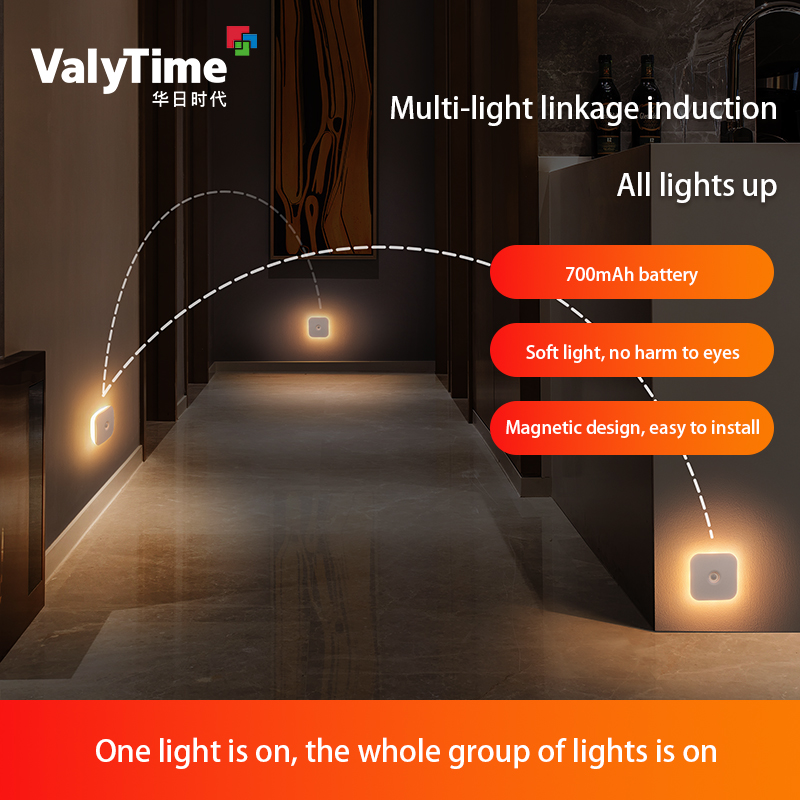
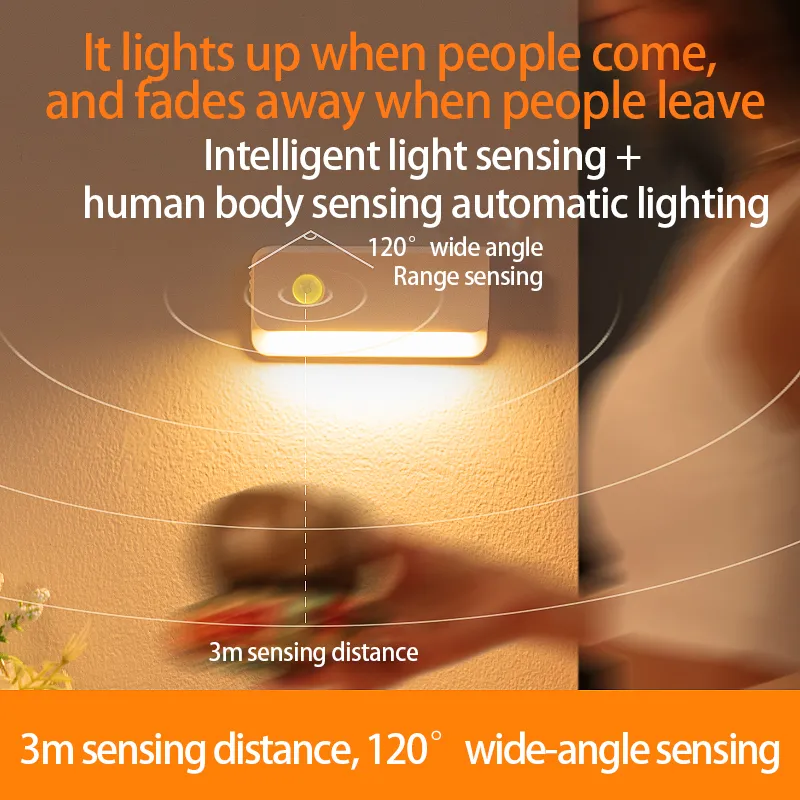
    At night or in low-light environments, the sensor continuously monitors human activity in its sensing area. When a human body appears within its sensing range (i.e. 0-3 meters), the sensor converts the sensing signal into an electrical signal, activates the LED light, and automatically lights up the lamp.
    More
  • What faults can cause the motion sensor night light to be on all the time?
    The faults that cause the motion sensor night light to be always on include: 1. The sensor sensitivity is too high 2. The sensor's sensing angle is improper 3. Heat interference in the environment 4. Sensor damage or failure 5. Low battery or poor battery contact 6. Line short circuit or electrical failure 7. Interference from external light sources 8. Sensor misoperation or environmental factors
    More
  • How long can the battery of a motion sensor closet light last?
    The lifespan of a motion sensor closet light battery is not fixed and is affected by a variety of factors. Understanding these factors can help consumers make more informed choices and use the device more efficiently.
    More
  • What is the best height for motion sensor stair lights?
    Generally speaking, the average height of an adult is about 1.6 meters to 1.8 meters, and the sensing height of the motion sensor stair lights is usually set between 1.8 meters and 2.2 meters, which can ensure that the sensor is exactly in the sensing area when a person walks.
    More
  • What are the Pros and Cons of motion sensor night light?
    Pros of motion sensor night light: 1. Energy saving and environmental protection 2. Improved safety 3. Convenient operation 4. Extended lamp life Cons of motion sensor night light: 1. Susceptible to environmental factors 2. Installation and adjustment problems 3. Mistakenly turning on or off lights 4. High initial cost
    More
  • What is the optimal sensitivity of motion sensor night light?
    Medium sensitivity is suitable for most common home environments and can detect ordinary people's activities, such as walking and walking. This sensitivity is suitable for most users and can ensure the normal opening of the motion sensor night light without false triggering.
    More
  • How to use LED motion sensor night light?
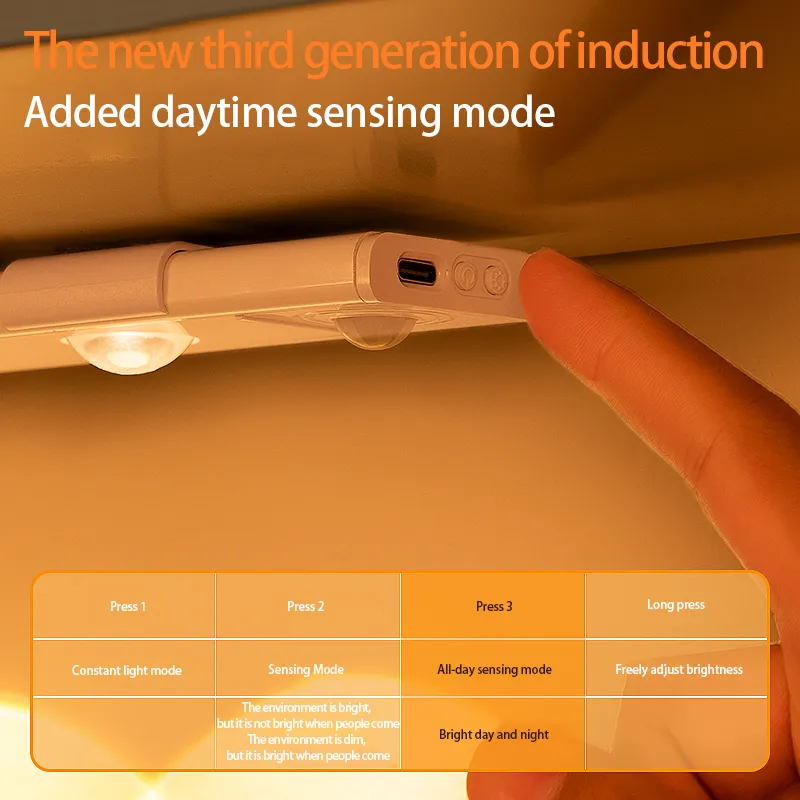
    Many LED motion sensor night lights have dimming functions or different working modes, and users can adjust them according to actual needs. For example: ● Automatic mode (Auto) ● Constant light mode (ON) ● Off mode (OFF) Switch different working modes according to needs to achieve a balance between energy saving and use effect.
    More
  • Will the motion sensor night light light up during the day?
    When sunlight shines into the room during the day, the temperature rises and the intensity of the light is also strong. At this time, the working environment of the PIR sensor may become unstable, causing the sensor to be unable to correctly judge whether there is human activity.
    More
  • What is the difference between light sensor and motion sensor night lights?
    ● Light sensor night light: automatically turns on and off the light by detecting the light intensity of the environment. The light will only turn on automatically when the light is dim. ● Motion sensor night light: controls the switch of lamps by sensing the movement of objects in the surrounding environment, usually using infrared sensors or ultrasonic sensors.
    More
  • How many motion sensor night lights do I need at home?
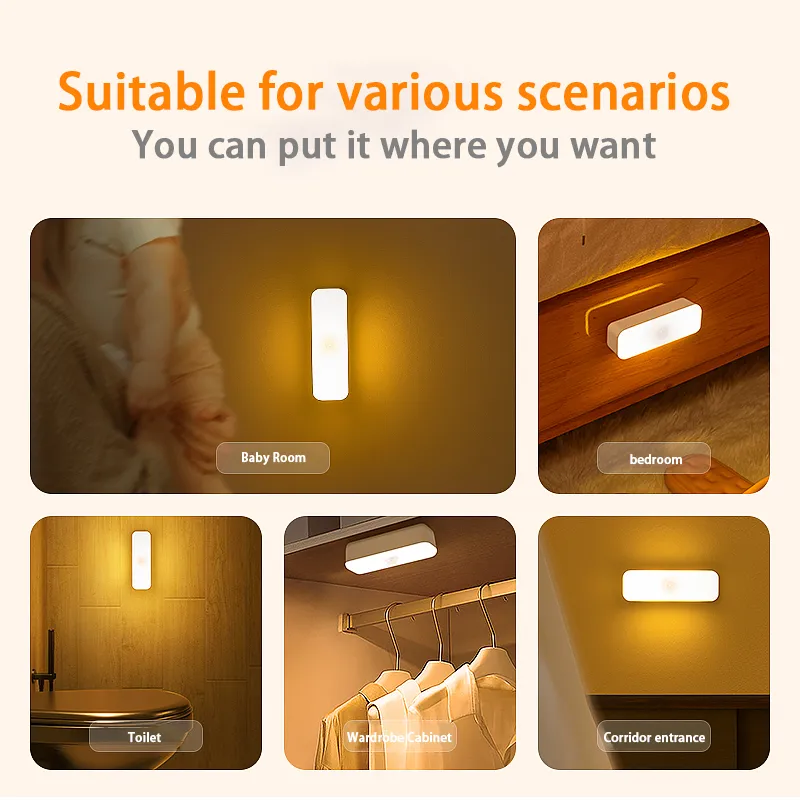
    It depends on the area of ​​the living room. Generally, a living room with an area of ​​20 to 30 square meters can be equipped with 1 to 2 motion sensor night lights for auxiliary lighting control; if the living room is large or requires zoned lighting, the number can be appropriately increased.
    More

Get the latest price? We will reply as soon as possible (within 12 hours)

top